

-
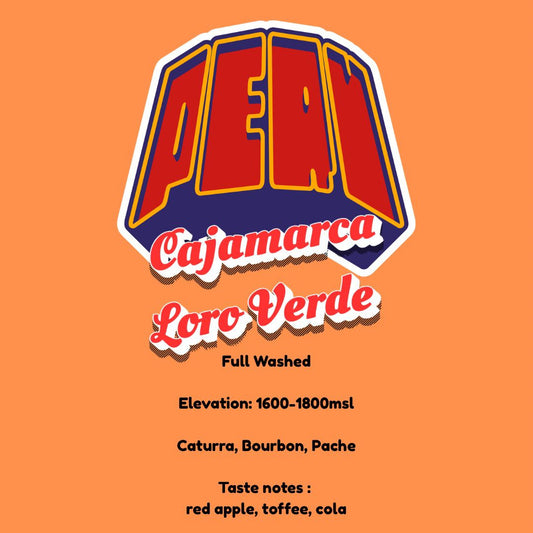
Peru Cajamarca Loro Verde
Regular price RM55.00 MYRRegular price -
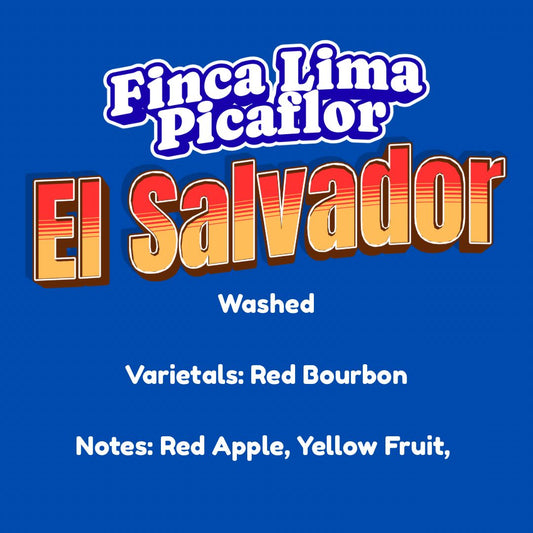
El Salvador Finca Lima Picaflor
Regular price RM50.00 MYRRegular price -
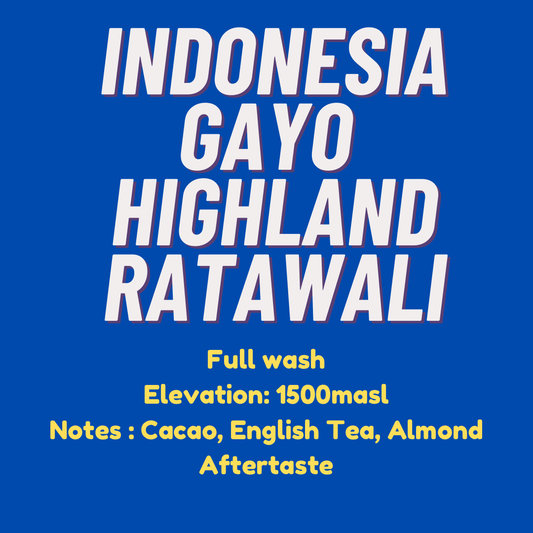
Aceh Gayo Ratawali
Regular price RM50.00 MYRRegular price -
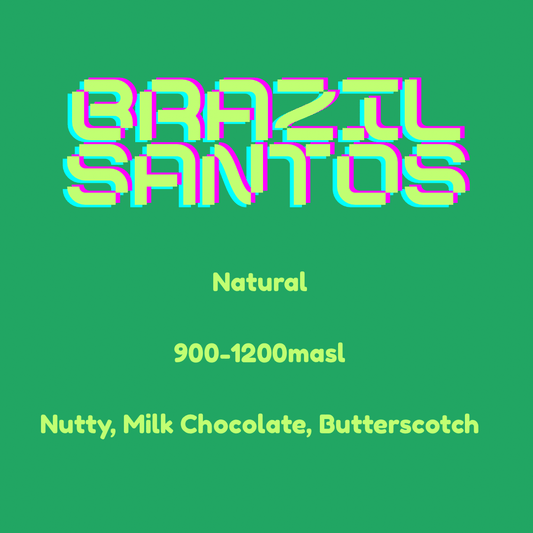
Brazil Santos
Regular price RM50.00 MYRRegular price -
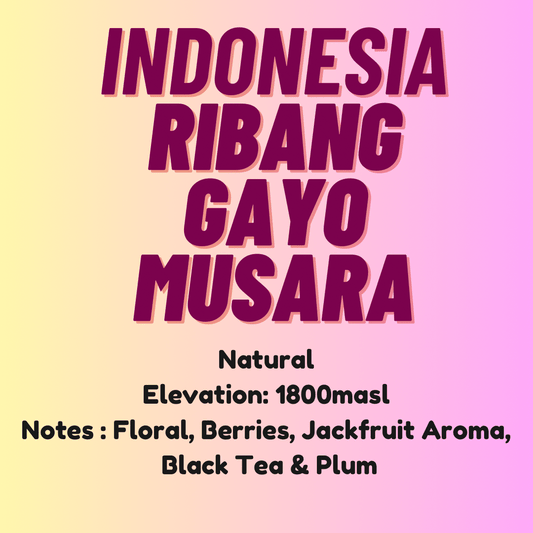
Indonesia Ribang Gayo Musara
Regular price RM60.00 MYRRegular price -
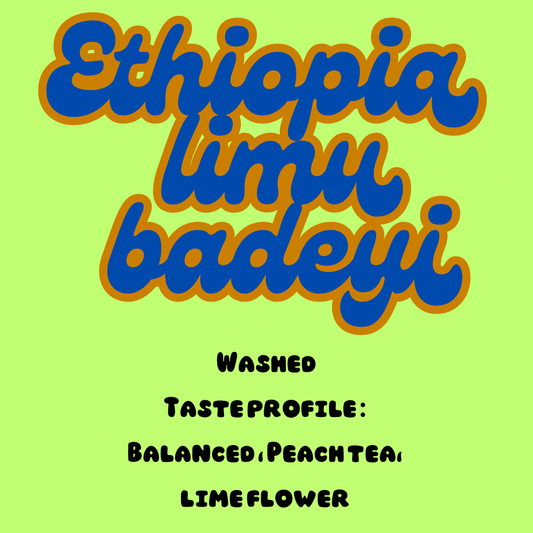
Ethiopia Limu Badeyi
Regular price RM55.00 MYRRegular price -
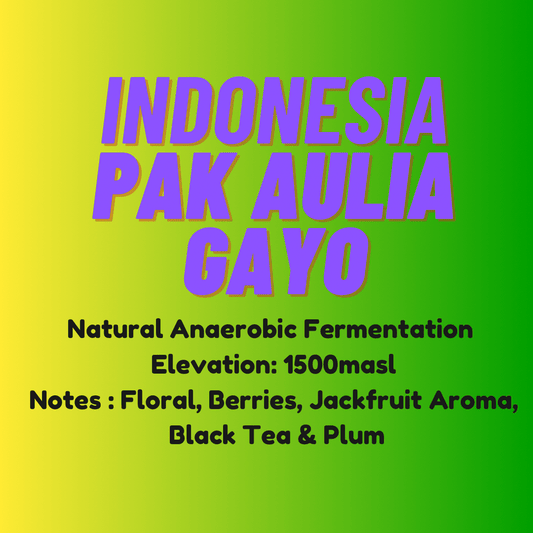
Aceh Gayo Pak Aulia
Regular price RM55.00 MYRRegular price -
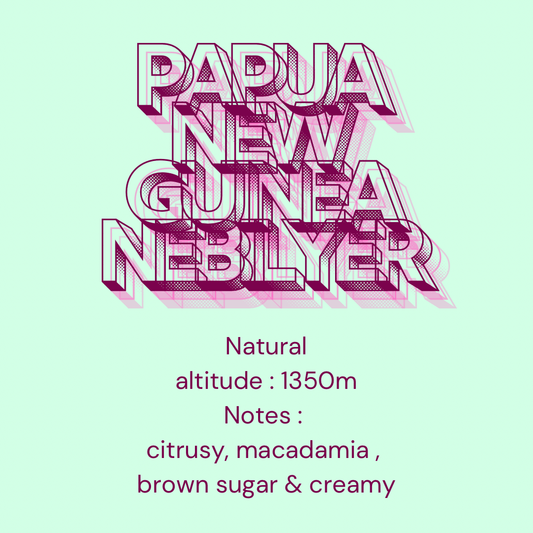
PNG Nebilyer
Regular price RM50.00 MYRRegular price -
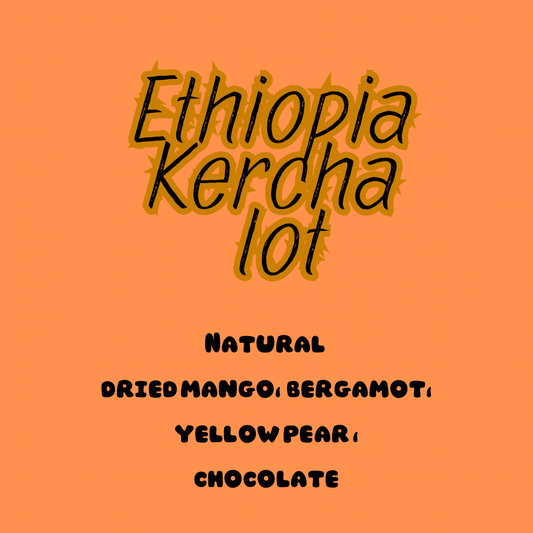
Ethiopia Kercha Lot
Regular price RM55.00 MYRRegular price -
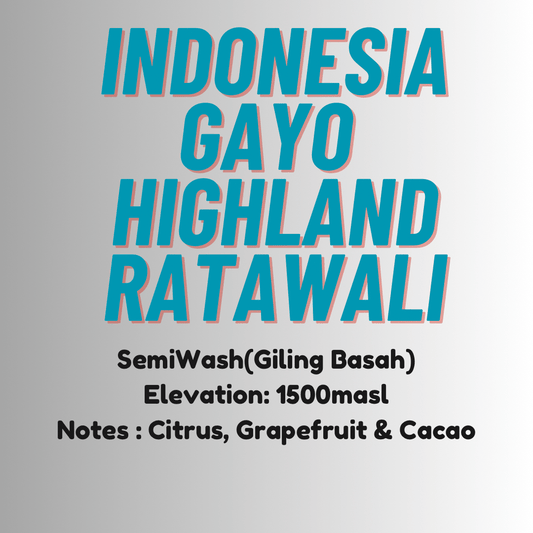
Aceh Gayo Highland Ratawali (Giling Basah)
Regular price RM48.00 MYRRegular price










Blog posts
-

Everything You Need to Know About Gayo Coffee
Indonesian coffee is known for its complex flavour notes. You can find ones that taste chocolatey with low acidity; you can also find Indonesian coffee with fruity notes. Due to...
Everything You Need to Know About Gayo Coffee
Indonesian coffee is known for its complex flavour notes. You can find ones that taste chocolatey with low acidity; you can also find Indonesian coffee with fruity notes. Due to...

Explore Our Other Collections
-

WT House Blends
You cannot find our specialty coffee house blends anywhere else. They're crafted...


Collapsible content
What Is Single Origin Coffee?
Single origin coffee comes from one specific country, region, farm, or cooperative. That means every bag tells a unique story about where it was grown, how it was processed, and how the land elevation and climate contributed to the cup.
Both Wolf & Turtle's single origin and house blends are good. But single origin gives you something you can trace.
What Single Origin Coffees Does Wolf & Turtle Sell?
We currently stock coffees sourced from trusted farms across Indonesia, Brazil, Ethiopia, and Papua New Guinea.
Each origin has its own character. Our Ethiopian lots are floral and fruit-forward. The Indonesian Gayo selections are earthy, full-bodied, and complex. Brazil Santos is clean and nutty making it a reliable espresso option. PNG Nebilyer sits somewhere in between: sweet, rounded, and a little wild.
What's the Difference Between Washed, Natural, and Giling Basah Processing?
Processing is how the coffee cherry is removed from the bean after harvest, which has a big impact on the coffee's flavour.
Washed (wet processed):
The cherry skin and pulp are removed, and the beans are left in fermentation tanks to remove the sticky mucilage. They are then washed with water and dried in the parchment.
Coffees have a clean, crisp, high acidity flavour, allowing the bean's natural character come through clearly.
Natural (dry processed):
The whole cherries are laid out to dry in the sun. The beans dry inside the fruit, requiring no water.
This process method creates a fruity, sweet, complex, and winey with a full body cup of coffee
Giling Basah (wet-hulled):
A traditional Indonesian technique. After being pulped, the coffee is fermented briefly, partially dried, then hulled while still moist.
If you love a distinctive earthy, heavy body and low acidity cup of coffee, try our Aceh Gayo Highland Ratawali (Giling Basah)
Why Does Coffee Taste Different Depending on Where It's Grown?
Like people, we are shaped by our environment. Coffee is the same, it absorbs the character of its environment — the altitude, soil, rainfall, and temperature all leave a mark on the bean.
Beans grown at higher altitude develop more slowly, which concentrates sugars and produces brighter, more complex flavours. Beans from lower, more humid regions tend to be heavier-bodied and earthier.
Processing method, local yeast, and even how the farmers dry the beans all add another layer. That's why an Ethiopian coffee tastes nothing like an Indonesian one, even if they're roasted the same way.
What's the Difference Between Wolf & Turtle's Indonesian Single Origins?
We carry four Indonesian coffees, all from the Gayo Highlands of Aceh, Sumatra — but they're quite different from each other:
Aceh Gayo Ratawali is the entry point. Clean, approachable, and consistent — a reliable everyday single origin.
Aceh Gayo Highland Ratawali (Giling Basah) is the same farm processed using the traditional wet-hull method. Expect a heavier body, lower acidity, and that classic earthy, savoury Sumatran profile.
Aceh Gayo Pak Aulia is a micro-lot from a single producer. More refined than the Ratawali — cleaner cup, more traceable, slightly more complex.
Indonesia Ribang Gayo Musara comes from the Ribang Gayo Musara Cooperative. Fuller, fruitier, and the most layered of the four. If you want to understand what Gayo coffee can do at its best, start here.